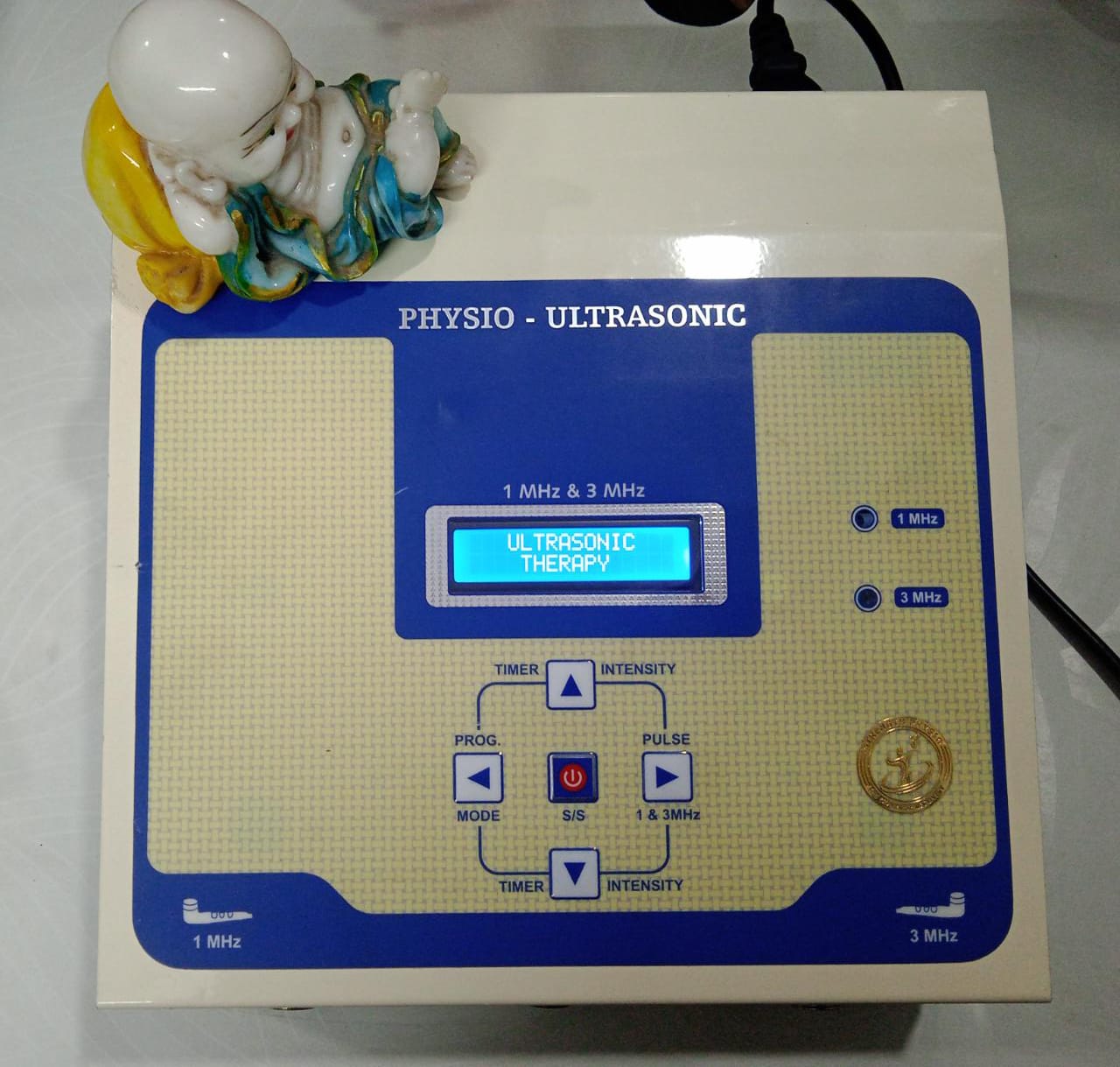
Ultrasound Therapy is one of the most effective electrotherapy modalities used in modern physiotherapy to reduce pain, promote tissue healing and accelerate recovery from musculoskeletal injuries. By using high-frequency sound waves, ultrasound therapy reaches deep tissues that cannot be effectively treated with manual therapy alone. It is widely recommended by physiotherapists, orthopedic specialists and sports rehabilitation experts for treating soft tissue injuries, ligament damage, tendon inflammation, muscle spasms and chronic pain conditions.
Whether you are a physiotherapist, clinic owner, rehabilitation specialist or patient looking to understand therapeutic ultrasound, this complete guide explains everything you need to know—from how ultrasound therapy works to its benefits, treatment procedure, safety precautions and clinical applications.
Ultrasound Therapy is a non-invasive physiotherapy treatment that utilizes high-frequency sound waves, generally ranging between 1 MHz and 3 MHz, to stimulate the body's natural healing process. Unlike diagnostic ultrasound used for medical imaging, therapeutic ultrasound is specifically designed to treat damaged muscles, tendons, ligaments and joints.
During treatment, a physiotherapist applies a conductive gel over the affected area and moves an ultrasound therapy applicator in slow circular motions. The sound waves penetrate deep into the tissues where they generate thermal and non-thermal effects that improve circulation, reduce inflammation and stimulate cellular repair.
Therapeutic ultrasound has become one of the most commonly used modalities in physiotherapy clinics because it is painless, safe and highly effective for managing both acute and chronic musculoskeletal disorders.
Physiotherapists recommend ultrasound therapy because it promotes faster tissue healing without surgery or medication. The deep heating effect increases blood flow to injured tissues, improves oxygen supply and accelerates collagen production, helping damaged tissues recover more efficiently.
Ultrasound therapy is especially beneficial for athletes, post-operative rehabilitation patients and individuals suffering from chronic pain conditions. It is often combined with exercise therapy, stretching and manual therapy to achieve better rehabilitation outcomes.
Ultrasound therapy works by generating high-frequency sound waves through a piezoelectric crystal inside the ultrasound therapy machine. When electrical energy is supplied to the crystal, it vibrates rapidly and produces ultrasonic waves. These waves travel through the treatment head and enter the body with the help of a conductive ultrasound gel.
The conductive gel eliminates air between the applicator and the skin, allowing the ultrasound waves to penetrate deep into muscles, tendons, ligaments and connective tissues. Depending on the selected frequency and intensity, the sound waves can reach different tissue depths and stimulate the body's natural healing process.
During treatment, physiotherapists continuously move the ultrasound applicator in slow circular or linear motions to ensure uniform energy distribution and avoid excessive heating in one area.
Continuous ultrasound produces thermal effects that increase tissue temperature. The increased temperature improves blood circulation, relaxes muscles, reduces stiffness and enhances tissue flexibility before stretching or exercise therapy.
Pulsed ultrasound produces non-thermal effects such as acoustic streaming and stable cavitation. These effects stimulate cellular repair, improve membrane permeability, promote collagen synthesis and accelerate tissue healing without significantly increasing tissue temperature.
Continuous ultrasound delivers uninterrupted sound waves throughout the treatment session. It primarily produces heat within deep tissues, making it suitable for chronic pain, muscle tightness, joint stiffness and scar tissue management.
Pulsed ultrasound delivers sound waves intermittently instead of continuously. Since very little heat is generated, it is commonly used during the early stages of tissue healing where inflammation is still present.
Ultrasound therapy offers numerous therapeutic benefits and is one of the most commonly used electrotherapy modalities in physiotherapy clinics.
Physiotherapists commonly use ultrasound therapy for treating a wide variety of musculoskeletal conditions.
Ultrasound therapy is beneficial for patients of different age groups when prescribed by a qualified physiotherapist. Athletes recovering from sports injuries, elderly individuals with arthritis, office workers suffering from neck and back pain, and patients undergoing post-operative rehabilitation can all benefit from this treatment. It is frequently used in physiotherapy clinics, orthopedic hospitals, sports medicine centers and rehabilitation facilities because of its ability to reduce pain while promoting natural tissue healing.
When combined with strengthening exercises, stretching programs and manual therapy, ultrasound therapy often provides better long-term rehabilitation outcomes than passive treatment alone.
Ultrasound therapy is performed by a qualified physiotherapist using a therapeutic ultrasound machine. The treatment is painless and usually takes between 5 to 15 minutes depending on the size of the treatment area and the patient's condition.
Before starting treatment, the physiotherapist evaluates the patient's medical history, symptoms, pain level, range of motion and diagnosis. This assessment helps determine whether ultrasound therapy is appropriate for the condition.
The patient is positioned comfortably, and the treatment area is exposed. A conductive ultrasound gel is applied to the skin to eliminate air between the applicator and the body. This allows the ultrasound waves to penetrate efficiently into the tissues.
The therapist selects the appropriate frequency, intensity and treatment mode based on the tissue depth and clinical condition.
The ultrasound applicator is moved slowly in circular or linear motions over the treatment area. Keeping the applicator moving ensures uniform energy distribution and prevents overheating.
After the treatment, the gel is removed and the patient may perform stretching or strengthening exercises prescribed by the physiotherapist. Combining ultrasound therapy with exercise often provides better rehabilitation results.
| Feature | 1 MHz | 3 MHz |
|---|---|---|
| Depth | Deep Tissues (up to 5 cm) | Superficial Tissues (1–2 cm) |
| Best For | Large muscles and deep injuries | Tendons, ligaments and superficial muscles |
| Heating Speed | Slower | Faster |
| Common Applications | Hip, Back, Thigh | Shoulder, Wrist, Elbow, Knee |
| Continuous Mode | Pulsed Mode |
|---|---|
| Produces Heat | Minimal Heat |
| Best for Chronic Pain | Best for Acute Injuries |
| Improves Flexibility | Promotes Tissue Repair |
| Increases Blood Flow | Reduces Inflammation |
| Scar Tissue Treatment | Post Surgical Rehabilitation |
Ultrasound therapy is indicated for several musculoskeletal and soft tissue disorders including:
Ultrasound therapy should not be applied in the following situations unless advised by a qualified healthcare professional:
Ultrasound therapy is generally considered safe when administered by trained physiotherapists. However, incorrect machine settings or improper application may cause mild side effects.
When purchasing an ultrasound therapy machine for your physiotherapy clinic or rehabilitation center, consider the following features:
Strength Physio Enterprises supplies premium quality Ultrasound Therapy Machines suitable for hospitals, physiotherapy clinics, sports rehabilitation centers and healthcare professionals across India.
✔ Latest Models
✔ Excellent Performance
✔ Competitive Prices
✔ Fast Delivery Across India
📞 Call: 9717698343, 7669988807
💬 WhatsApp for Product Details & Best Price
Ultrasound Therapy is a physiotherapy treatment that uses high-frequency sound waves to reduce pain, improve blood circulation, accelerate tissue healing and promote faster recovery from musculoskeletal injuries.
No. Ultrasound Therapy is generally painless. Most patients feel only a mild warming sensation during treatment.
A typical session lasts between 5 to 15 minutes, depending on the treatment area and the patient's condition.
It is commonly used for tendon injuries, ligament sprains, frozen shoulder, osteoarthritis, muscle strains, sports injuries, chronic pain, neck pain and lower back pain.
The number of sessions depends on the severity of the condition. Many patients notice improvement after a few sessions, while chronic conditions may require multiple treatments.
Yes. When performed by a qualified physiotherapist using appropriate machine settings, Ultrasound Therapy is considered a safe and effective treatment.
Yes. Pulsed Ultrasound Therapy helps reduce inflammation and stimulates tissue repair, making it useful during the early stages of healing.
1 MHz penetrates deeper tissues up to approximately 5 cm, whereas 3 MHz is used for superficial tissues and provides faster heating.
Yes. Athletes frequently use Ultrasound Therapy for muscle strains, ligament injuries, tendon problems and sports rehabilitation because it helps speed up recovery.
Side effects are rare. Some patients may experience temporary redness or warmth, but serious complications are uncommon when the treatment is administered correctly.
Ultrasound Therapy may help reduce pain, improve joint mobility and decrease stiffness associated with osteoarthritis when combined with physiotherapy exercises.
Yes. It is commonly included in post-operative rehabilitation programs to promote healing and reduce scar tissue formation, if recommended by the treating physiotherapist.
No. It should not be used over cancerous tissue, active infections, deep vein thrombosis, certain implanted electronic devices or during pregnancy over the abdomen. Always consult a qualified healthcare professional before treatment.
Patients are usually advised to perform prescribed stretching or strengthening exercises, stay hydrated and follow the physiotherapist's recommendations for the best rehabilitation outcomes.
Strength Physio Enterprises offers high-quality Ultrasound Therapy Machines suitable for physiotherapy clinics, hospitals and rehabilitation centers across India.
Ultrasound Therapy has become an essential modality in modern physiotherapy because of its ability to relieve pain, reduce inflammation and accelerate tissue healing without invasive procedures. Whether treating sports injuries, chronic musculoskeletal disorders or post-operative rehabilitation, therapeutic ultrasound plays a significant role in improving patient outcomes.
When combined with a personalized rehabilitation program that includes exercise therapy, manual therapy and patient education, Ultrasound Therapy can help patients recover faster, improve mobility and return to their daily activities with confidence.
If you are planning to establish or upgrade your physiotherapy clinic, investing in a high-quality Ultrasound Therapy Machine can improve treatment efficiency and expand the range of services you provide.
Strength Physio Enterprises supplies high-quality physiotherapy, rehabilitation and electrotherapy equipment to hospitals, physiotherapy clinics, rehabilitation centers and healthcare professionals throughout India.
📞 Call: 9717698343, 7669988807
🌐 Website: www.strangthphysio.com